
Fes travel guide
Fes, Morocco’s ancient heart, is a city like no other. Its labyrinthine medina, vibrant souks, and centuries-old monuments create a living tapestry of culture and history. Whether you’re a first-time visitor or a seasoned traveler, Fes travel guides offer the perfect way to uncover the city’s secrets and experience its authentic charm. In this article, discover why Fes city tours are essential, what to expect, and answers to the most common questions about visiting this unforgettable destination.
This complete Fes travel guide covers the best time to visit, top things to do, where to stay, what to eat, safety tips, and practical advice to help you plan the perfect trip.
Where Is Fes Located?
Fes is located in northern Morocco, nestled between the Rif Mountains and the Middle Atlas. It’s easily reachable from Casablanca, Rabat, Tangier, and Meknes by train or private transfer, making it a convenient stop on most Morocco itineraries.
Why Visit Fes?
Fes is often described as Morocco’s spiritual and cultural heart. Unlike Marrakech, which feels more modern and energetic, Fes is deeply traditional and atmospheric.
Why travelers love Fes:
One of the world’s largest car-free medieval cities
Authentic Moroccan culture and daily life
Exceptional architecture and religious landmarks
Famous artisan quarters and traditional crafts
Rich Jewish and Andalusian heritage
If you want to step back in time, Fes is unmatched.
Best Time to Visit Fes
The best time to visit Fes is spring (March–May) and autumn (September–November) when temperatures are pleasant and ideal for walking the medina.
Spring: Mild weather, green surroundings, perfect sightseeing
Summer (June–August): Very hot, often over 38°C (100°F)
Autumn: Warm days, cooler evenings, fewer crowds
Winter (December–February): Cooler, sometimes rainy, but still enjoyable
Top Things to Do in Fes
Explore Fes el Bali (UNESCO World Heritage Site)
Fes el Bali is the oldest and most iconic part of the city. With over 9,000 narrow alleys, it’s a living museum filled with mosques, markets, fountains, and homes.
Highlights inside the medina:
Al Quaraouiyine University and Mosque
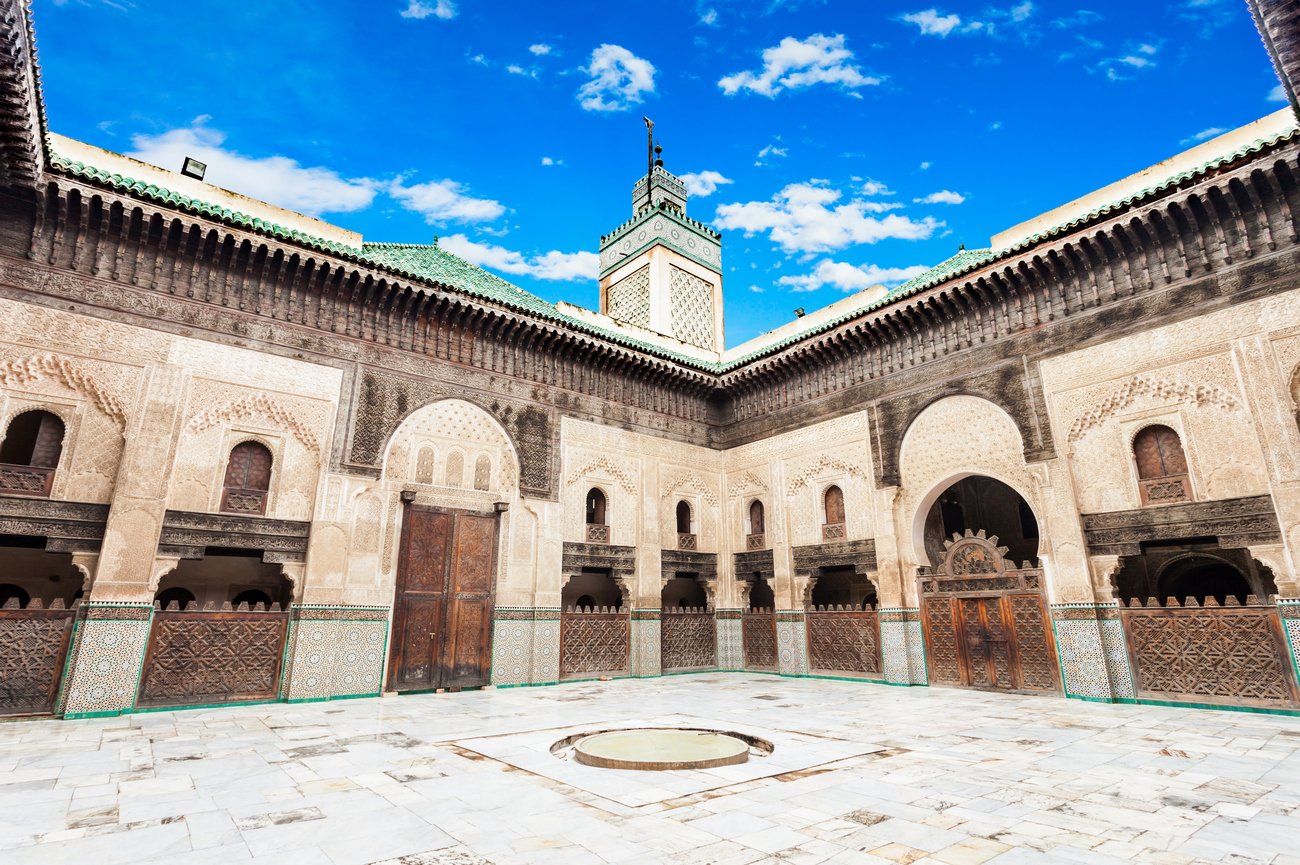
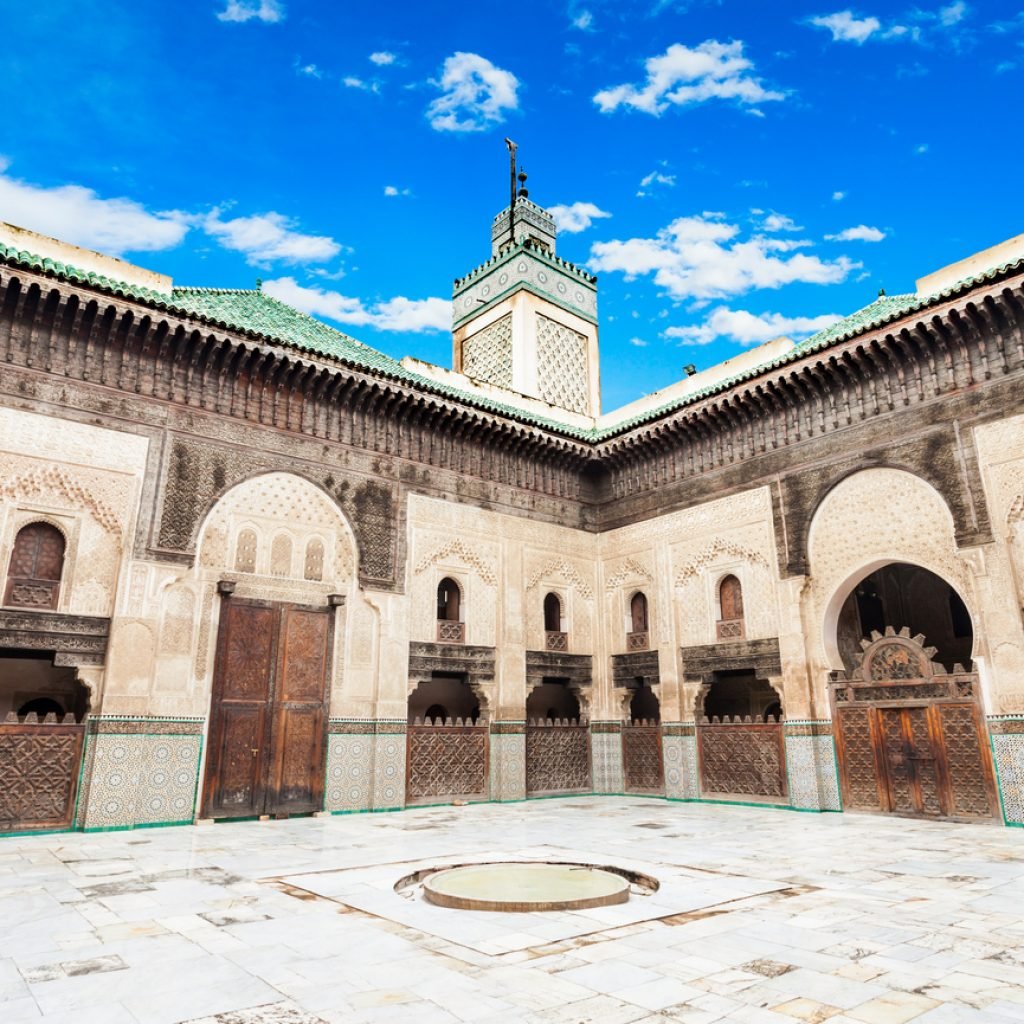
Bou Inania Madrasa
Nejjarine Fountain and Museum
Traditional souks and artisan workshops
A licensed local guide is highly recommended to fully understand the history and avoid getting lost.
Visit the Famous Chouara Tannery
One of Fes’ most iconic sights, the Chouara Tannery dates back to the 11th century. Watch leather being dyed using traditional methods from surrounding terraces—an unforgettable (and photogenic) experience.
Discover the Jewish Quarter (Mellah)
Fes has one of Morocco’s most important Jewish histories. Visit the Mellah, the Ibn Danan Synagogue, and the Jewish cemetery to learn about centuries of coexistence and heritage.
Enjoy Panoramic Views from the Borj
Head to Borj Nord or Borj Sud for the best views over the medina, especially at sunset. It’s one of the few places where you truly grasp the scale of Fes.
Take a Moroccan Cooking Class
Fes is famous for refined Moroccan cuisine. Joining a cooking class is a great way to experience local markets, spices, and traditional recipes like pastilla and tagines.
What to Eat in Fes
Fes is considered Morocco’s culinary capital. Don’t leave without trying:
Pastilla (Bastilla): Sweet and savory pastry with pigeon or chicken
Harira: Traditional soup, especially popular in the evening
Mechoui: Slow-roasted lamb
Zaalouk: Eggplant and tomato salad
Mint tea: Served everywhere, always a ritual
Local restaurants inside riads often offer the most authentic meals.
Where to Stay in Fes
Stay in a Traditional Riad
For the best experience, stay in a riad inside the medina. These traditional homes feature courtyards, mosaics, and personalized hospitality.
Accommodation options:
Luxury riads with spa and rooftop views
Boutique riads with authentic decor
Budget guesthouses for backpackers
If you prefer modern hotels, Ville Nouvelle offers international-style accommodations.
Is Fes Safe for Tourists?
Yes, Fes is generally safe for tourists, including solo travelers and families.
Safety tips:
Be cautious of pickpocketing in crowded areas
Avoid unofficial guides offering help
Dress modestly, especially in religious areas
Use licensed guides and official taxis
Tourism police are present, and locals are usually helpful and welcoming.
How Many Days to Spend in Fes?
1 day: Quick highlights of the medina
2 days: Full city exploration + cultural sites
3 days: Add day trips to Meknes, Volubilis, or the Middle Atlas
Most travelers find 2 days in Fes ideal.
Day Trips from Fes
Fes is a great base for exploring northern Morocco:
Meknes & Volubilis: Roman ruins and imperial history combined with Moulay Idriss.
Middle Atlas Mountains: Cedar forests and Barbary monkeys
Ifrane : Known as “Little Switzerland”
Sefrou & Bhalil: waterfalls & cave houses
Practical Fes Travel Tips
Wear comfortable walking shoes
Carry cash (many places don’t accept cards)
Download offline maps
Respect local customs and prayer times
Learn a few Arabic or Darija phrases
Why Choose a Fes Tour Guide?
Navigating Fes on your own can be overwhelming. The city’s medina is one of the world’s largest car-free urban areas, with thousands of winding alleys, hidden courtyards, and bustling markets. A knowledgeable Fes travel guide not only helps you find your way but also brings the city’s rich history and culture to life. Guides can tailor experiences to your interests—whether you’re passionate about architecture, food, or local crafts.
What to Wear in Fes: Practical & Cultural Dress Guide
Fes is a traditional and conservative city, especially compared to Marrakech or coastal destinations. Dressing appropriately will make you feel more comfortable, help you blend in, and earn you more respect from locals. The good news? You don’t need to dress traditionally—just modestly and smartly.
General Dress Code in Fes
The key rule is modesty + comfort.
For both men and women:
Lightweight, breathable fabrics (cotton, linen)
Loose-fitting clothes
Comfortable walking shoes (the medina streets are uneven)
Neutral or earthy colors help you blend in
You’ll be walking a lot, so practicality matters more than fashion trends.
What Women Should Wear in Fes
Women don’t need to cover their hair, but modest clothing is strongly recommended.
Best choices:
Long dresses or maxi skirts
Loose trousers or wide-leg pants
Tunics or blouses that cover shoulders
Light cardigan, kimono, or scarf
Closed shoes or sturdy sandals
What to avoid:
Short shorts or mini skirts
Low-cut or strapless tops
Very tight clothing
A scarf is useful, not mandatory, but great for visiting religious areas or covering up when needed.
What Men Should Wear in Fes
Men have it easier, but dressing respectfully still matters.
Recommended:
Long pants or chinos
T-shirts or polo shirts (not sleeveless)
Lightweight button-up shirts
Comfortable sneakers or walking shoes
Avoid:
Tank tops
Very short shorts (especially in the medina)
FAQ : Fes travel guide 2026
Is Fes safe for tourists?
Yes, Fes is generally safe for tourists. Most issues involve minor scams regarding escorting to shops and asking many to show you the way out when you get lost.
Is Fes safe at night?
We don’t advise to walk in the medina at night especially if you’re planning to venture deep, as it’s mostly shut down especially in the artisans and residential areas, we recommend to go better to Bab Boujloud and Talaa Kbira frequented by more tourists mostly having dinner or the Rcif square which get busy with locals.
How many days do you need in Fes?
We recommend spending 2 nights in Fes for a better experience as it’s enough time to discover the medina and the highlights outside.
How many days do you need in Fes?
-
2–3 days: City highlights and souks
-
4–5 days: Marrakech + one or two day trips
-
6–7 days: Marrakech + Atlas Mountains, Essaouira, or Ouzoud
Marrakech also works perfectly as a base for exploring nearby regions.
What should I wear in Fes?
Fes is a traditional and conservative city, especially compared to Marrakech or coastal destinations. Dressing appropriately will make you feel more comfortable, help you blend in, and earn you more respect from locals. The good news? You don’t need to dress traditionally, just modestly and smartly.
Check this article about Morocco clothing tips.
Are day trips from Fes worth it?
Yes, after discovering the medina you can do day trip to Ifrane & Azrou, Sefrou & Bhalil, Meknes, Volubilis, and Moulay Idriss.
Can you visit Fes without a guide?
It’s possible, but it might be an overwhelming experience, as the medina is huge and has tons of dead end street. A guide adds valuable historical context and helps navigate the medina..
Is Fes good for first-time visitors to Morocco?
Absolutely, especially if combined with cities like Marrakech or Chefchaouen.
Plan Your Fes Adventure
Fes is not just a destination, it’s an experience. From ancient universities and sacred architecture to bustling souks and timeless traditions, the city offers a deep connection to Morocco’s past and present. If you’re looking for culture, authenticity, and history, Fes will leave a lasting impression.
Fes is often overlooked in favor of Marrakech, yet it offers one of the most authentic and culturally rich experiences in the country. As Morocco’s spiritual and intellectual capital, Fes invites travelers to slow down and explore centuries-old traditions, remarkable architecture, and daily life inside a living medieval city.
To help you plan your visit to Fes and your journey through the rest of the country—explore our complete Morocco Travel Guide, where you’ll find:
Practical travel tips and cultural insights for Morocco
The best cities and regions to visit, including Fes
Safety, transportation, and travel advice
Sample itineraries and inspiration for multi-city trips
Read the full Morocco Travel Guide
This guide is the perfect next step for travelers who want to move beyond the usual highlights and experience Morocco in a deeper, more connected way, starting with the timeless city of Fes.
0 Comment