


Chefchaouen Travel Guide
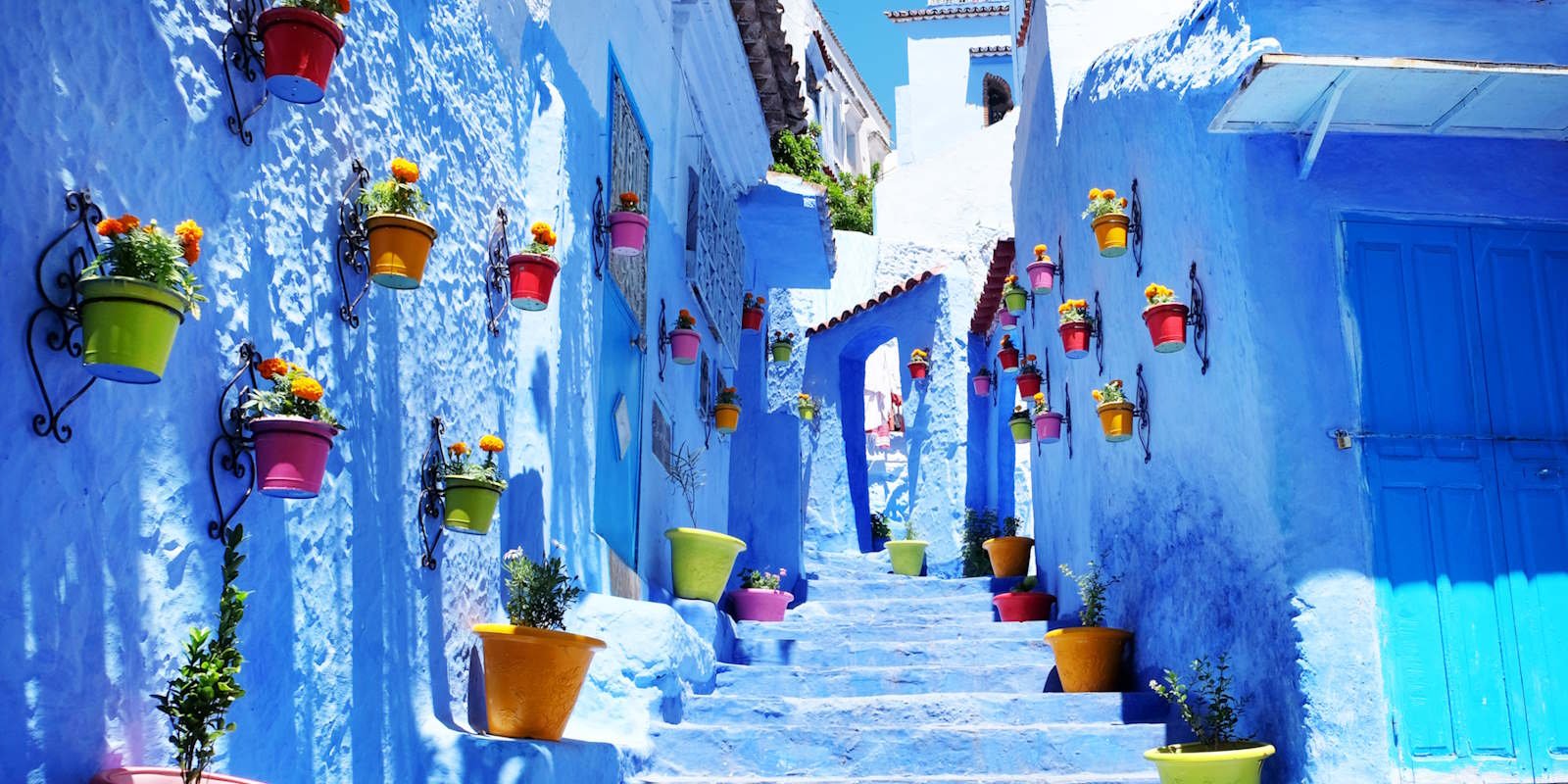
Nestled in the Rif Mountains of northern Morocco, Chefchaouen is a city like no other. Famous for its striking blue-washed buildings, winding alleys, and relaxed atmosphere, Chefchaouen, often called the “Blue Pearl”, offers an enchanting blend of history, culture, and natural beauty. Whether you’re seeking a peaceful escape, a photographer’s dream, or a base for mountain adventures, Chefchaouen is an essential stop on any Moroccan itinerary.
Why Visit Chefchaouen?
Chefchaouen’s distinctive blue hues, believed by some to symbolize the sky and heaven, create a tranquil and dreamlike setting. Beyond its beauty, the city boasts a rich history influenced by Andalusian, Jewish, and Berber cultures. The slower pace, friendly locals, and mountain backdrop make it a favorite for both first-time visitors and seasoned travelers.
How to Get to Chefchaouen?
From Tangier
By Private Tour or Transfer: The most comfortable and efficient way is to book a private tour or transfer from Tangier. Many companies offer day trips with hotel pickup and drop-off, a knowledgeable guide, and stops at scenic viewpoints along the way.
By Bus: CTM and other regional bus companies operate daily services from Tangier to Chefchaouen. The journey takes approximately 2.5 to 3 hours.
By Car: Renting a car allows for flexibility and the opportunity to explore the beautiful Rif countryside at your own pace.
From Other Cities
From Fez: Direct buses connect Fez and Chefchaouen in about 4 hours.
From Casablanca or Rabat: Travel to Tangier or Fez first, then continue by bus or private transfer.
Best Time to Visit Chefchaouen
Spring (March–May): Mild temperatures and blooming wildflowers make this a popular time to visit.
Autumn (September–November): Pleasant weather and fewer crowds.
Summer: Warm but not unbearable due to the mountain setting.
Winter: Cooler and quieter, with occasional rain.
Best Things to Do in Chefchaouen
1. Wander the Blue Medina
Lose yourself in the maze of blue-painted streets. Each corner reveals artisan shops, cozy cafés, and picturesque doorways. The medina is compact and safe to explore on foot.
2. Plaza Uta el-Hammam
This lively central square is the heart of Chefchaouen. Enjoy a mint tea at a terrace café, watch local life unfold, and admire views of the Grand Mosque and kasbah.
3. The Kasbah
Visit the 15th-century kasbah, a restored fortress with lush gardens, a small ethnographic museum, and a tower offering panoramic views over the medina and surrounding mountains.
4. Grand Mosque
While non-Muslims cannot enter, the mosque’s unique octagonal minaret and setting make it a notable landmark.
5. Ras El Maa Waterfall
A short walk east of the medina, this small waterfall is a popular spot for locals to relax, do laundry, or cool off. Enjoy the sound of rushing water and the greenery.
6. Spanish Mosque
Hike up to the Spanish Mosque at sunset for sweeping views over Chefchaouen and the Rif Mountains. The walk takes about 30–45 minutes and is especially beautiful in the golden hour.
7. Local Markets and Handicrafts
Chefchaouen is known for its wool garments, woven blankets, and leather goods. Shop for unique souvenirs and support local artisans.
8. Sample Moroccan Cuisine
Try traditional dishes like tagine, couscous, and bissara (fava bean soup). Many restaurants and rooftop cafés offer both local and international fare, often with stunning views.
Best day trips from Chefchaouen
Surrounded by the Rif Mountains, Chefchaouen is an ideal base for day trips, scenic hikes, and cultural outdoor experiences. Whether you’re looking for gentle nature walks, immersive village visits, or more active adventures, the region offers a refreshing alternative to Morocco’s busier destinations.
Hiking in Talassemtane National Park
Located just outside Chefchaouen, Talassemtane National Park is one of northern Morocco’s most beautiful natural areas. Its landscapes range from dense fir and cedar forests to deep valleys and dramatic limestone peaks.
What to expect:
Well-paced hiking routes suitable for day hikes
Panoramic viewpoints over the Rif Mountains
Cool, shaded forest trails — ideal in warmer months
Most hikes are best enjoyed with a local guide, who can adapt the route to your fitness level and explain the region’s ecology and Berber culture.
Bouhachem Natural Park – Hiking & Village Life
A day trip to Bouhachem Park offers a more remote and authentic experience. This protected area is known for its cork oak forests and traditional mountain villages.
Highlights:
Hiking through quiet forest trails
Visits to rural villages and family homes
Tea breaks with locals and insight into daily Rif life
Bouhachem is perfect for travelers who want meaningful cultural interaction combined with nature.
Akchour Waterfalls & God’s Bridge
One of the most popular day trips from Chefchaouen is Akchour, a scenic valley known for waterfalls, natural pools, and the impressive rock formation known as God’s Bridge.
Why visit Akchour:
Easy-to-moderate walking paths along rivers
Refreshing swimming spots in warm weather
Small cafés along the trail serving mint tea and tagines
Akchour is ideal for families, casual hikers, and travelers looking for a relaxing outdoor escape.
Cooking Class in Chefchaouen
For a cultural day trip, join a hands-on Moroccan cooking class with a local family in or around Chefchaouen.
Typical experience includes:
Market visit to buy fresh ingredients
Learning to prepare traditional dishes such as tagine or couscous
Sharing the meal with the host family
This experience offers a genuine glimpse into Moroccan hospitality and daily life.
Village & Countryside Walks
Gentle countryside walks around Chefchaouen take you through olive groves, farmland, and small rural communities.
Perfect for:
Slow travelers
Photography and nature lovers
Families with children
These walks can be combined with picnics or tea stops with local families.
Sunset Walks & Scenic Viewpoints
For a lighter adventure, explore the hills around Chefchaouen at sunset.
Top spots include:
The Spanish Mosque viewpoint
Hills overlooking the medina
Quiet trails leading to panoramic photo spots
Sunset walks offer incredible views of the blue city glowing against the Rif Mountains.
Multi-Day Outdoor Extensions
If you have more time, many day trips can be extended into overnight or multi-day adventures:
Bouhachem to Talassemtane trekking routes
Guesthouse stays in mountain villages
Combined hiking and cultural immersion programs
Where to Stay in Chefchaouen
Chefchaouen offers a range of accommodation, from budget hostels to charming riads and boutique hotels. Staying in the medina provides the most atmospheric experience, but there are also peaceful guesthouses on the outskirts with mountain views.
Staying in Chefchaouen Medina
Ideal for first-time visitors, photographers, and travelers who want comfort and atmosphere.
Best for:
Easy access to sights, cafés, and shops
Short stays (1–3 nights)
Cooking classes and guided medina tours
What to expect:
Traditional riads and guesthouses with rooftop terraces
Beautiful views over the blue city and surrounding hills
Breakfast included, sometimes homemade by the host family
💡 Tip: Choose accommodation inside or just above the medina to avoid steep uphill walks with luggage.
Talassemtane National park Guesthouses
Staying within or near Talassemtane National Park lets you wake to birdsong and mountain air. Many traditional guesthouses are family-run, offering full board meals and a chance to experience local lifestyle firsthand.
Typical Features
Basic but comfortable rooms with traditional meals.
Dinners often prepared with locally grown produce — olives, seasonal vegetables, tagines.
Guided hikes or walks to nearby peaks and trails.
Bouhachem Park Village Stays
Much of the Bouhachem itinerary involves small villages like Maouzger and Mansoura, where you’ll stay with local rural families. These homestays give cultural insight you won’t find in standard hotels.
Experience Includes
Full-board meals with the family — traditional bread, tagine, soups, mint tea.
Potential village walks and storytelling with local hosts.
Many multi-day trekking packages (including Bouhachem → Talassemtane combinations) include all meals, accommodation in rural houses or guesthouses, and guided hikes.
Is Chefchaouen Morocco Safe to Visit?
Yes, Chefchaouen is considered one of the safest cities in Morocco for travelers. Known for its relaxed pace, friendly locals, and small-town feel, the Blue City attracts visitors year-round without major safety concerns.
General Safety
Violent crime is extremely rare, especially toward tourists.
The medina is calm and walkable, even in the evening.
Police presence is discreet but visible in tourist areas.
Most travelers describe Chefchaouen as peaceful, welcoming, and stress-free, especially compared to larger Moroccan cities.
Common Issues to Be Aware Of
Occasional petty theft, such as pickpocketing, can happen in crowded areas , basic awareness is enough.
Some individuals may offer unsolicited guiding services. A polite but firm refusal is usually respected.
Cannabis-related offers may occur due to the region’s history simply decline and move on.
Safety for Solo Travelers & Women
Chefchaouen is particularly popular with solo female travelers thanks to its calm atmosphere.
Modest dress is recommended (covered shoulders and knees).
Harassment is uncommon compared to other destinations.
Walking alone during daylight and early evening is generally safe.
Hiking & Rural Safety
When exploring Talassemtane or Bouhachem National Parks:
Hiring a local guide is highly recommended.
Inform your guesthouse of your plans.
Carry water, sun protection, and proper footwear.
Overall verdict: Chefchaouen is a very safe destination, especially for travelers seeking culture, nature, and slow travel.
How Many Days in Chefchaouen?
How long you stay in Chefchaouen depends on how deeply you want to explore the region beyond the blue medina.
1 Day – Quick Visit
Walk through the blue medina
Visit the Kasbah and main squares
Sunset at the Spanish Mosque
✔️ Best for travelers short on time or visiting from Tangier or Fes.
2 Days – Ideal First Stay
Day 1: Explore Chefchaouen town and viewpoints
Day 2: Day trip to Akchour waterfalls or countryside walk
✔️ Perfect balance of sightseeing and relaxation.
3–4 Days – Best Experience
Medina exploration and photography
Hiking in Talassemtane National Park
Cooking class with a local family
Visit to nearby villages
✔️ Recommended for nature lovers and cultural travelers.
5+ Days – Slow Travel & Hiking
Multi-day hiking in Bouhachem or Talassemtane
Guesthouse or homestay stays
Deeper cultural immersion
✔️ Ideal for travelers who want authenticity and time off the beaten path.
Practical Chefchaouen travel Tips
- What to Wear: Dress modestly and comfortably, with good walking shoes for cobbled streets and hills.
- Money: ATMs are available, but carry some cash for small purchases.
- Language: Arabic and Berber are spoken, but Spanish and French are widely understood. English is common in tourist areas.
- Safety: Chefchaouen is considered very safe and welcoming for travelers.
- Photography: Always ask before photographing people, especially in rural areas or markets.
Chefchaouen itinerary for One Day
Morning: Arrive and check into your accommodation. Stroll through the medina and enjoy breakfast at a café.
Midday: Visit the kasbah and Plaza Uta el-Hammam. Explore artisan shops and try local snacks.
Afternoon: Walk to Ras El Maa waterfall, then hike up to the Spanish Mosque for sunset views.
Evening: Return to the medina for a traditional Moroccan dinner.
FAQ : Chefchaouen travel guide 2026
Is Chefchaouen safe for tourists?
Yes, Chefchaouen is very safe for tourists. Serious crime is rare, and the city is known for its calm and welcoming atmosphere.
Is Chefchaouen safe for solo female travelers?
Yes. Many solo female travelers visit Chefchaouen comfortably. Dressing modestly and using common sense is advised.
How many days are enough in Chefchaouen?
Two days is enough to see the highlights, but 3 to 4 days is ideal to enjoy hiking, day trips, and local experiences.
What are the best day trips from Chefchaouen?
Popular day trips include Akchour waterfalls, Talassemtane National Park, Bouhachem Natural Park, and nearby rural villages.
Is it safe to hike around Chefchaouen?
Yes, hiking is safe when done with preparation. A local guide is recommended for Talassemtane and Bouhachem parks.
Where should I stay in Chefchaouen?
Most travelers stay in the medina for convenience, while nature lovers prefer guesthouses in Talassemtane or Bouhachem.
Is Chefchaouen suitable for families?
Yes, Chefchaouen is family-friendly, especially for short hikes, countryside walks, and relaxed sightseeing.
Do I need a guide in Chefchaouen?
A guide is optional in the medina but highly recommended for hiking and village visits.
What is the best time to visit Chefchaouen?
Spring (March–May) and autumn (September–November) are ideal for hiking and sightseeing.
Plan Your Chefchaouen Adventure
Chefchaouen is often seen as a short stop on a Morocco itinerary, yet it offers one of the most peaceful and visually striking travel experiences in the country. Nestled in the Rif Mountains, the Blue City invites travelers to slow down and explore its maze of blue-washed streets, traditional craftsmanship, and relaxed mountain lifestyle.
Beyond its famous medina, Chefchaouen is a gateway to authentic local culture and unspoiled nature, with opportunities to hike in nearby national parks, visit rural villages, and connect with local families — experiences that reveal a deeper side of Morocco.
Planning Your Trip to Chefchaouen and Beyond
To help you plan your visit to Chefchaouen and continue your journey through the rest of the country explore our complete Morocco Travel Safety Guide, where you’ll find:
Practical travel tips and cultural insights for Morocco
The best cities and regions to visit, including Chefchaouen
Safety, transportation, and travel advice
Sample itineraries and inspiration for multi-city trips
Read the full Morocco Travel Guide
This guide is the perfect next step for travelers who want to move beyond the usual highlights and experience Morocco in a slower, more connected way, starting with the iconic Blue City of Chefchaouen.
You might be also interested about this article about North Morocco.
0 Comment